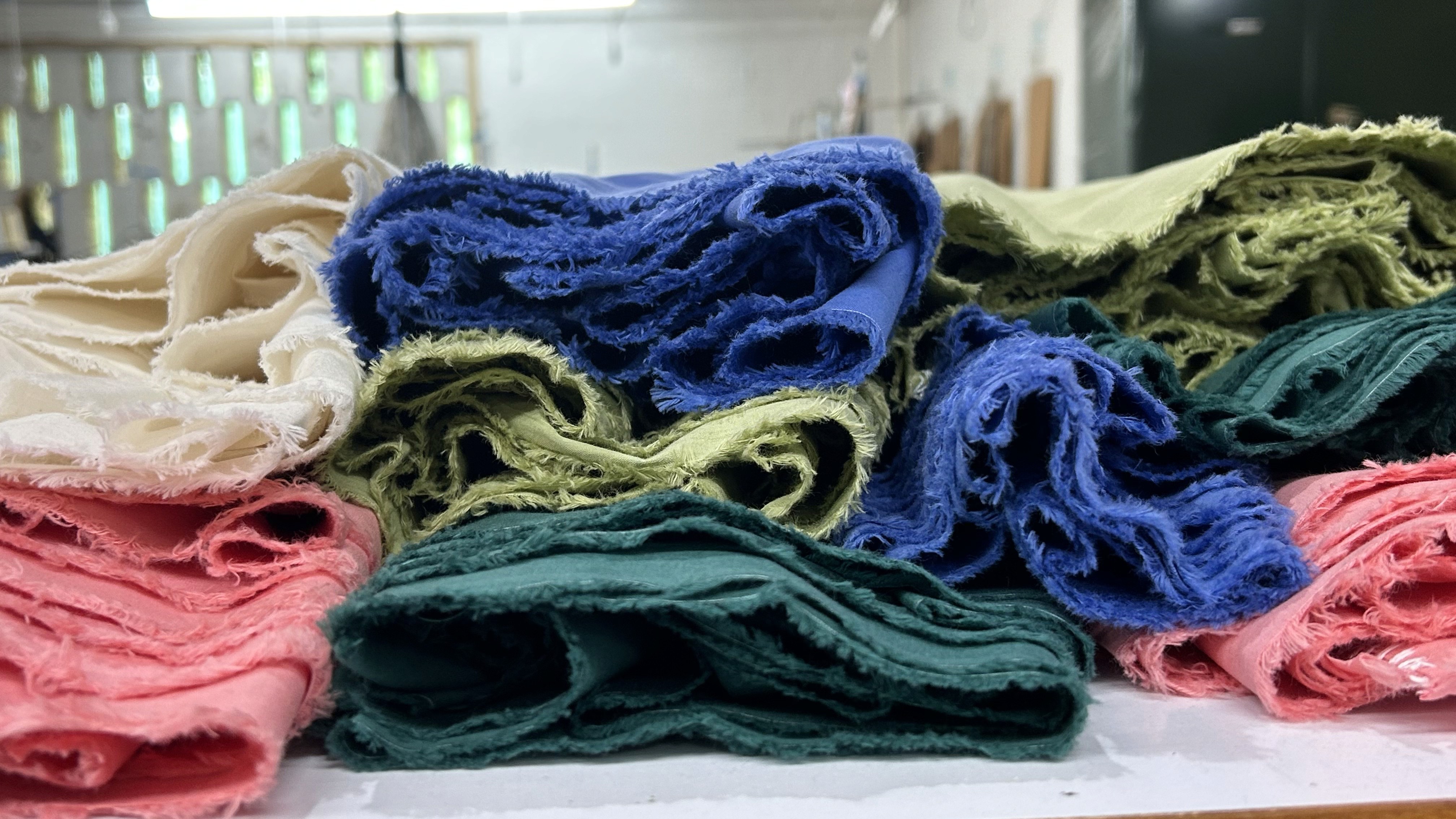
Cotton may be one of the oldest fibres known to humanity, yet modern fashion has managed to complicate it beyond recognition. Blends, finishes, synthetic add-ons — even "natural fabrics" aren't really natural anymore. Synthetic fibers, like polyester, nylon, acrylic and spandex, break down into microplastics every time they go through a laundry cycle. These end up in our waterways, wreaking havoc on our ecosystems and marine life, and then bio-accumulate up the food chain into humans and are extremely dangerous to our health. Today, microplastics are in our water, soil, air, tissue cells and even women's placenta. Since synthetics account for over 60% of the textile industry, we must start.
We wanted to step out of that noise completely.
"A FABRIC IS ONLY AS CLEAN AS WHAT YOU ADD TO IT. WE CHOOSE TO ADD NOTHING BUT NATURAL."
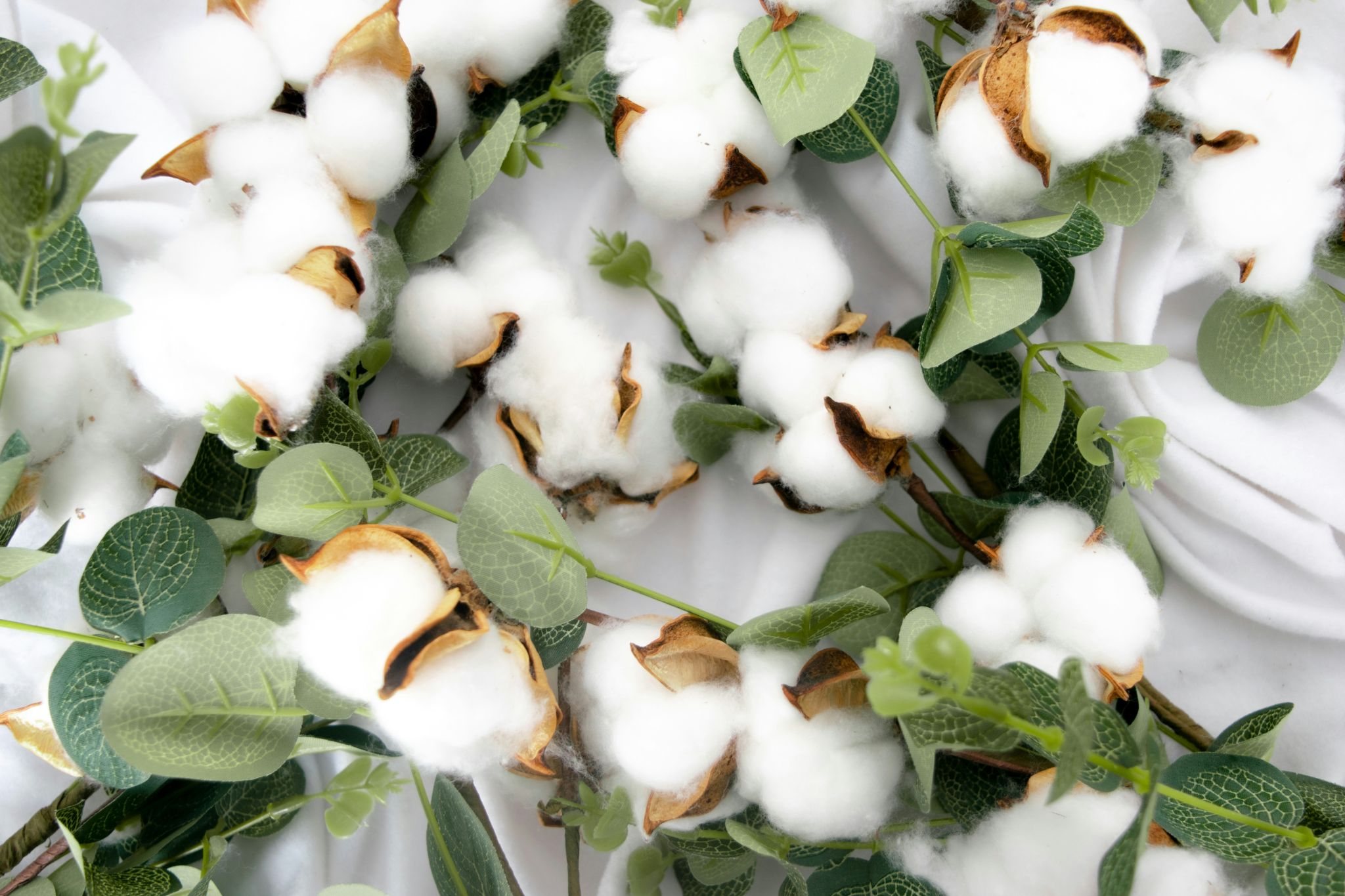
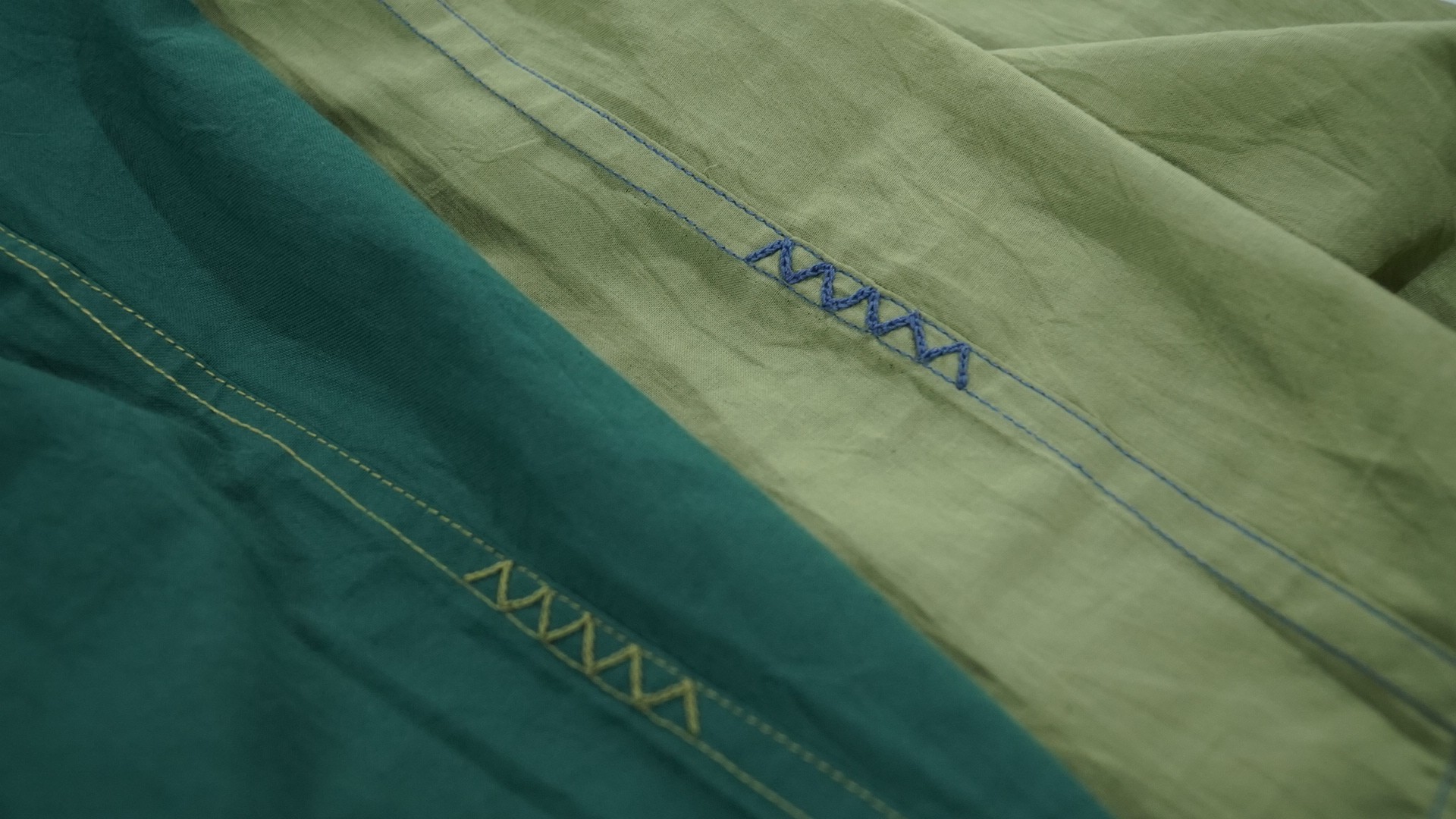
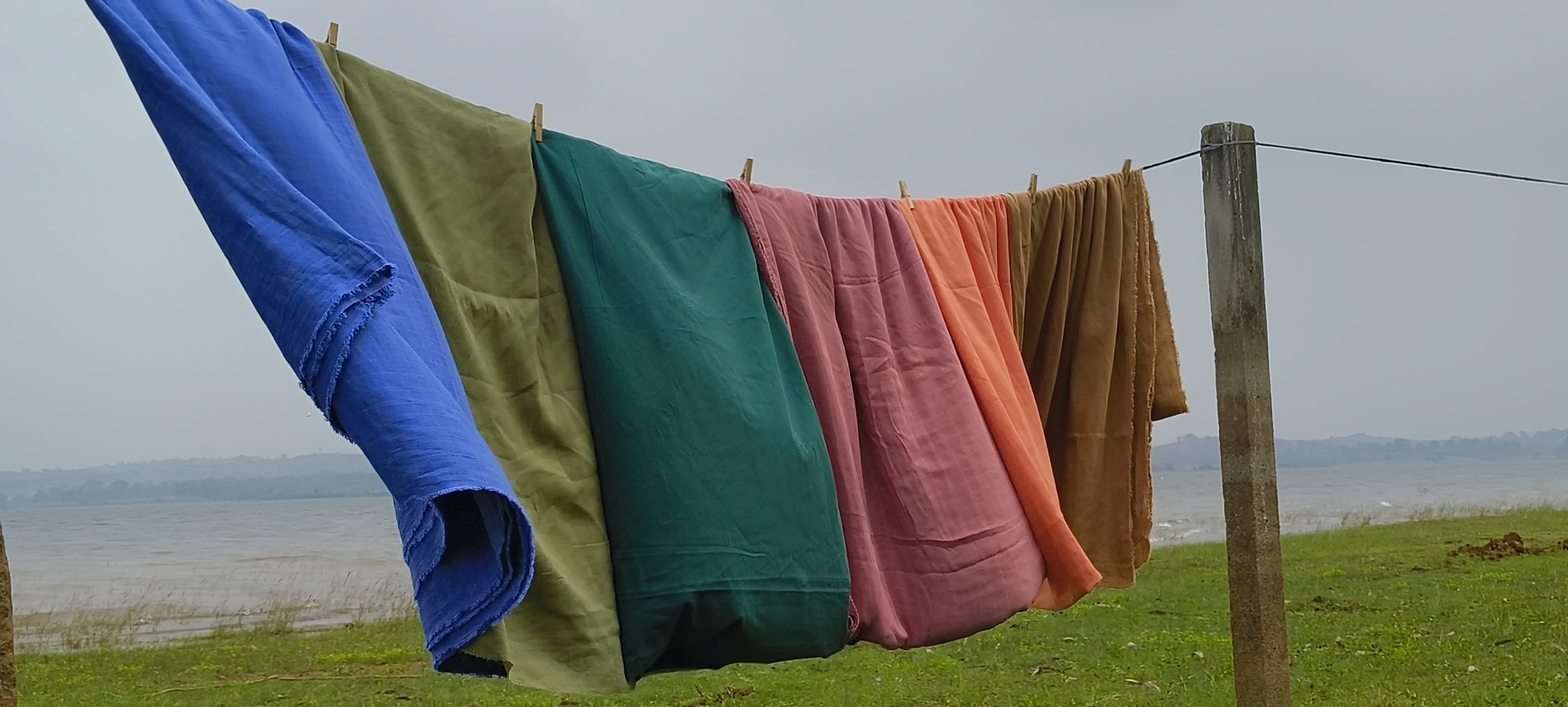
Thus, our entire collection is built using natural fibres only. No blends of any kind. Our current lineup uses 100% organic cotton, grown and processed without toxic inputs or hidden enhancements. As we grow, we'll introduce handwoven fabrics and regional textiles.
"Because when you start with fibres grown in soil, handled by human hands, and untouched by synthetic shortcuts, the garment already feels like it knows where it came from."
We're not stopping at using organic cotton — we're working toward growing it differently. Our next step is to partner directly with farmers and support their transition to regenerative farming, helping restore soil health and biodiversity where our cotton begins. We plan to pay more than the market price, because when farmers are valued fairly, the entire system becomes better. By removing middlemen and building long-term relationships, we aim to create a farming model that's as healthy for the land as it is for the people who live on it.