
Fashion is something we feel before we even think. It lifts us, protects us, helps us express ourselves without ever using a word. But the industry behind it has grown into a machine that prioritizes speed and secrecy over safety and truth. The clothes we wear every day have become strangers, beautiful on the outside, complicated and toxic on the inside.
"Over 30,000 chemicals are used in the apparel manufacturing industry, from material extraction to the finished garment. Most of them are untested."
And that's not an accident.
Around 60 to 70% of garments today contain synthetic fibres, and nearly all of them go through multiple treatments like bleaching, dyeing, finishing, and coating. Each of these steps introduces chemicals that are rarely tested for long-term contact with our skin.
These substances don’t just stay in the fabric. They sit against our skin every day, wash out into waterways, and move through the environment long after the garment is made. Most people never hear about this, and the industry rarely talks about it, because the system works better when these details stay unnoticed.
"The waste problem is just as overwhelming. Clothes are cheaper, faster, trendier — and shorter-lived. Most end up in landfills within months, especially those made with synthetic fibres that never fully break down. They don't disappear. They just shrink into microplastics until they're everywhere — in soil, in water, in our food."
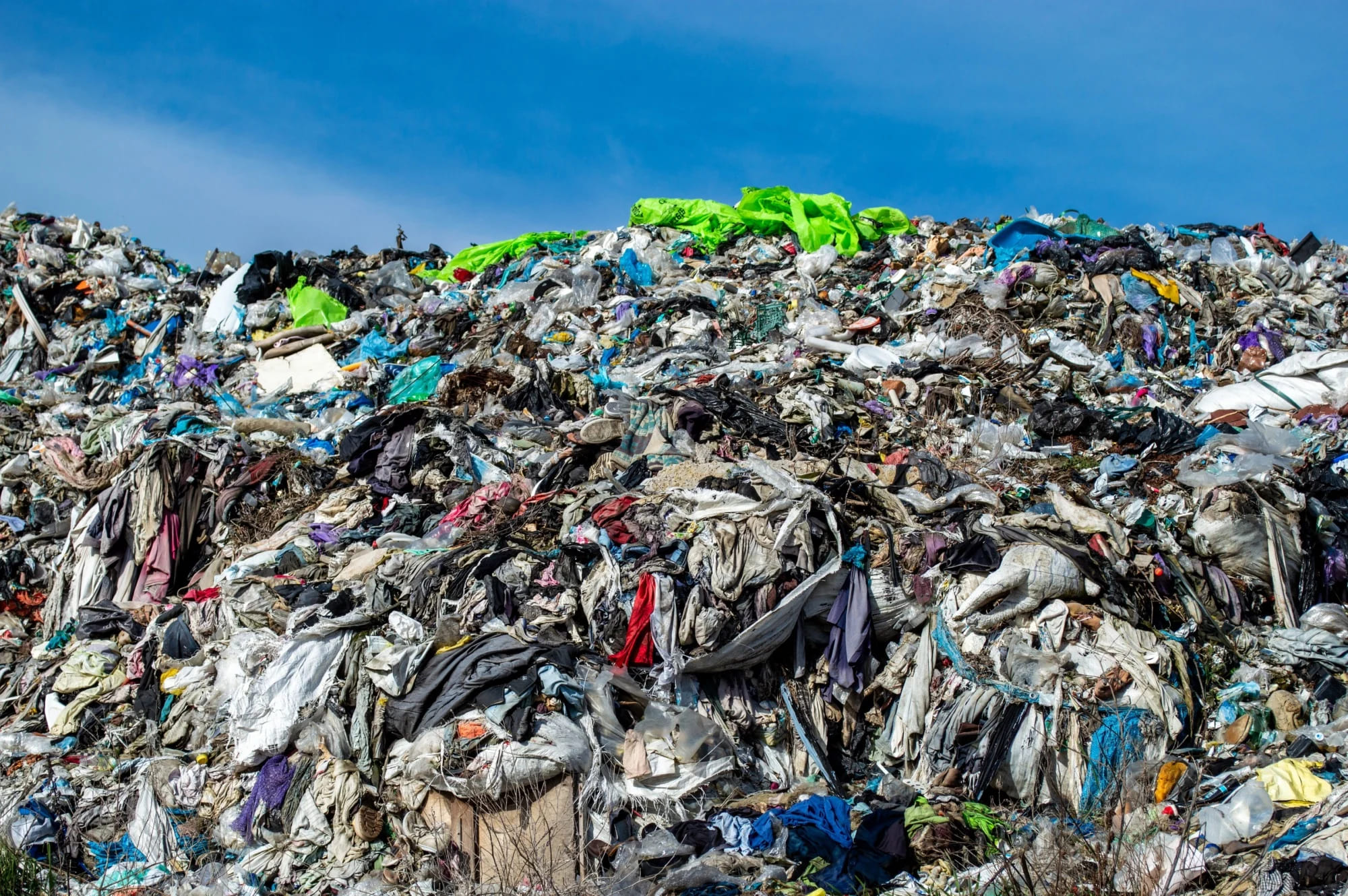
"WE'RE DROWNING IN CLOTHES DESIGNED TO LIVE LONGER IN A DUMP THAN ON A BODY."
Behind the scenes, the supply chain is a labyrinth built to blur responsibility.
What was used to dye your fabric? Who made your garment? Under what conditions? Where was the contaminated water discharged to?
Most brands can't trace anything beyond their direct factory because knowing too much means being accountable. And accountability is difficult and expensive.
That opacity isn't harmless — it comes at a human cost and of our environment. Farmers working with hazardous inputs. Dyers inhaling fumes from chemical vats. Landfills hurting vulnerable communities. Chemical discharge damaging fertile land. People at each step have been falling sick and has been well documented. Workers stitching for wages that don't reflect the value of their labour. Exploitation isn't the "dark side" of fashion; it's the infrastructure that keeps prices low and consequences high.
"SOMEONE IS ALWAYS PAYING — IT'S JUST NEVER THE BRANDS."
GREENWASHING SELLS BETTER THAN UNCOMFORTABLE TRUTH.
Then there's the storytelling. "Sustainability" became the industry's favourite costume — without ever defining clearly what it means to them. A green label here, a recycled button there, a few pretty words on a website — suddenly everything is "eco." The marketing moves faster than the reform. Consumers who genuinely want to do better are guided toward illusions of improvement rather than real change.
And that leaves us in a strange, dishonest, and uncomfortable place. We care about wellness, about our bodies, about the planet. We read the ingredients before buying food — yet we rarely know what's touching our skin all day. We're surrounded by clothes that don't reflect our values, and an industry that benefits from keeping it that way.